The Hidden Fasteners Behind Every Long-Lasting Siding System
A home’s siding does much more than improve appearance. It shields the structure from moisture, wind, changing temperatures, and everyday wear. That’s why homeowners considering siding installation in Kirkland WA should understand that what happens behind the panels is often more important than the panels themselves.
Proper fastening patterns, ventilation, and moisture management all work together to protect the home’s exterior for decades. When these details are handled correctly, homeowners enjoy stronger performance, fewer repairs, and greater confidence that their investment will stand the test of time.
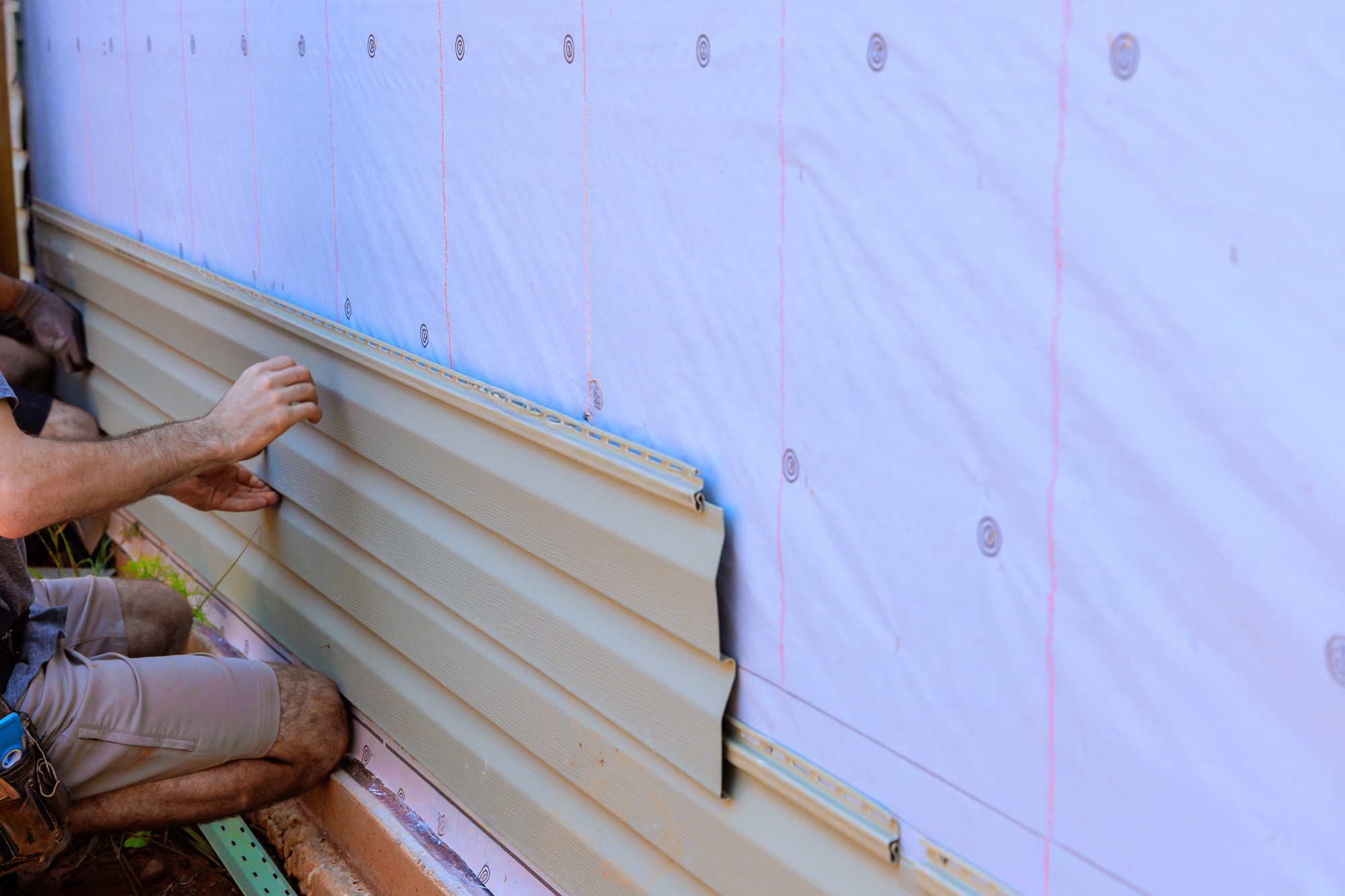
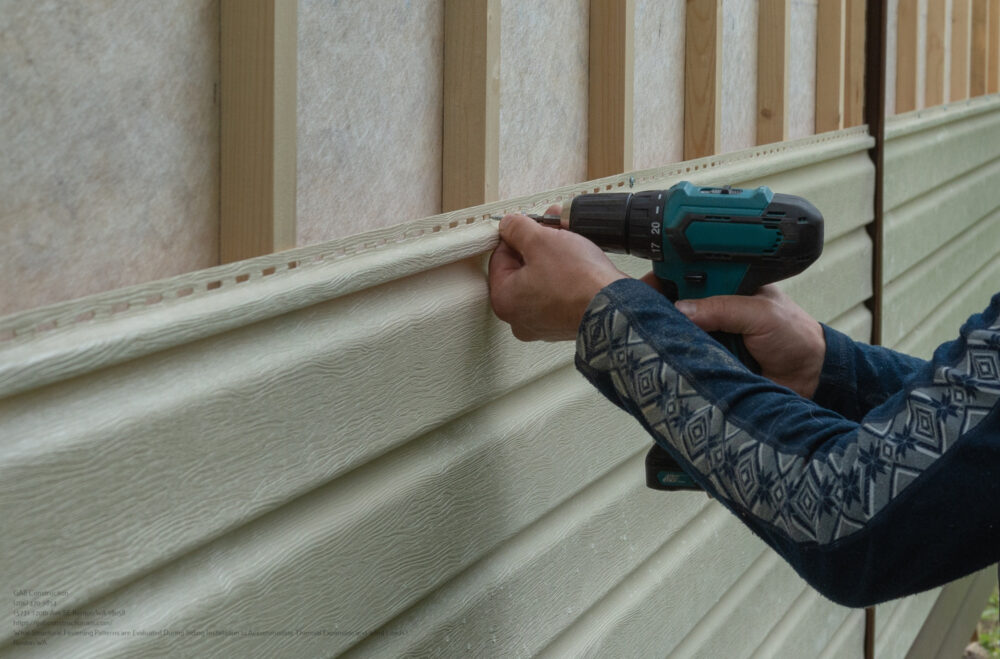
Structural fastening patterns are carefully engineered during siding installation to allow materials to expand and contract naturally while resisting wind pressure. Professional installers evaluate fastening spacing, attachment methods, wall framing, rainscreen ventilation, flashing, and moisture control to maximize durability, improve energy efficiency, and extend the siding system’s lifespan.
Why the Fasteners You Never See Often Matter More Than the Siding You Do
When homeowners compare siding materials, they usually focus on color, texture, or curb appeal. Those features certainly matter, but the fastening system hidden underneath often determines how well the exterior performs over the next 30 to 50 years.
Every material reacts differently to changing temperatures. Vinyl siding expands significantly during warm weather and contracts when temperatures drop. Fiber cement remains far more stable but still requires precise installation to prevent stress fractures. Cedar siding naturally expands and contracts as moisture levels fluctuate throughout the Pacific Northwest climate.
If these movements aren’t anticipated during professional installation, several problems may develop:
- Warped panels
- Loose fasteners
- Cracked caulk beads
- Water intrusion
- Premature siding replacement
- Structural movement around windows and doors
A quality siding contractor understands that every fastener becomes part of a complete structural system rather than an isolated attachment point.
Homeowners often ask:
“Can’t installers simply nail every panel tightly against the wall?”
Actually, that’s one of the quickest ways to shorten the life of new siding. Fasteners must allow controlled movement without sacrificing structural strength.
For homes throughout Kirkland, WA, where winter storms and seasonal moisture are common, these engineering details become even more important.
Why Wind Loads and Thermal Expansion Demand Different Fastening Strategies
Wind doesn’t strike every wall equally.
Corners, roof transitions, gable ends, and upper-story walls experience significantly higher uplift forces than protected wall sections. Installers evaluate these areas individually before determining fastening schedules.
Likewise, thermal expansion affects each siding product differently.
For example:
- Vinyl siding requires room to slide along fastening slots
- James Hardie fiber cement relies on rigid fastening because expansion is minimal
- LP SmartSide has its own manufacturer-specific fastening schedule
- Cedar Shake products require spacing that accommodates natural moisture movement
Professional installers don’t guess. They follow engineering recommendations developed through extensive product testing.
The International Code Council explains that exterior wall assemblies must satisfy structural performance requirements established within modern residential building codes. Those standards influence fastening schedules, wind resistance, and weather protection for residential exteriors.
This attention to detail protects homeowners from expensive failures years after installation.
Need Professional Siding Installation for Your Home?
Contact GAB Construction today to schedule your free consultation and receive expert guidance.
Five Installation Mistakes that Quietly Shorten the Life of New Siding
Not every siding problem develops immediately.
Many installation mistakes remain hidden for years before homeowners notice water damage or loose panels.
Some of the most common problems include:
1. Incorrect Fastener Placement: Fasteners installed too tightly prevent normal movement caused by seasonal expansion.
2. Poor Fastener Selection: Using standard nails instead of stainless ring-shank fasteners can reduce holding strength while increasing corrosion risk in the Pacific Northwest.
3. Ignoring Moisture Drainage: Skipping a ventilated rainscreen or HydroGap drainable wrap traps moisture behind the siding.
4. Improper Flashing Around Penetrations: Missing step flashing around roofs or poorly installed flashing around windows allows water to enter wall cavities.
5. Excessive Caulking: More caulk isn’t always better. Oversized caulk beads may restrict movement while trapping moisture that should drain naturally.
These mistakes don’t simply affect appearance. They may eventually lead to siding repair services, structural framing repairs, insulation replacement, or costly exterior remodel work. That’s why GAB Construction emphasizes careful planning before every project rather than rushing through installation.
Expert Insight: Why the Best Installations are Planned Long Before the First Panel Goes Up
One lesson experienced contractors learn quickly is that successful siding installation begins during planning—not installation.
At GAB Construction, every project starts with understanding the home’s existing condition, identifying moisture risks, and selecting siding materials suited to the Pacific Northwest climate. Rather than treating siding as a cosmetic upgrade, the company approaches every exterior project as a structural investment.
For example, a homeowner may request new siding after noticing peeling paint or fading panels. During the inspection, the team might discover deteriorated flashing near windows, inadequate ventilation, or moisture trapped behind old cladding. Addressing these issues before installation protects the home far better than simply covering the existing problems.
Professional planning also allows homeowners to compare cost estimates, understand available financing options, and make informed decisions about complementary improvements, such as roof installation, gutter solutions, or additional exterior remodeling services.
Some homeowners also ask whether combining projects is worthwhile. In many cases, coordinating siding with roofing or exterior trim replacement creates a more efficient workflow and a more uniform finished appearance. It also minimizes disruption and often lowers long-term maintenance costs.
Different companies have also emphasized the importance of proper exterior system integration across the industry, reinforcing that long-lasting results depend on complete building-envelope performance—not individual products alone.
Why Choosing GAB Construction is the Smart Choice for Long-Lasting Siding Performance
We at GAB Construction provide the best solutions to our customers by carefully evaluating every fastening pattern, moisture-control detail, and structural component before installing new siding. Our goal is to deliver exterior systems that perform just as beautifully decades from now as they do on installation day.
We proudly provide expert siding installation, siding repair, siding replacement, deck replacement, deck builder services, patio cover installation, and patio cover services using proven installation methods, premium materials, and a customer-first approach. Every project is completed with attention to detail, quality workmanship, and long-term durability in mind.
Contact GAB Construction today for professional siding solutions that protect your home and maximize its value for years to come. Trust your home’s exterior to the experts in siding installation in Kirkland WA.
Need Professional Siding Installation for Your Home?
Contact GAB Construction today to schedule your free consultation and receive expert guidance.